




Private Villa | Muiden
Gunpowder to waterfront.

THE CANALS OUTLIVED THE FACTORY
The water around this villa used to do very different work.
Gunpowder production arrived here in 1702 after an explosion convinced Amsterdam that making explosives inside the city was probably a bad idea.
De Krijgsman grew into a vast industrial site beside Muiden. Waterways moved raw materials and finished powder, and an 1899 lock connected the factory to routes beyond it.
When the site became a new residential district, much of that landscape was kept: old watercourses, mature trees and pieces of the industrial fabric remain embedded in the neighborhood.
The water villa sits inside that second life.
A FASHION EYE CAME HOME
The owner knew exactly how much a material choice can change a room.
Working at Nike means spending a lot of time around proportion, texture, color and finish. That sensitivity carries into the house.
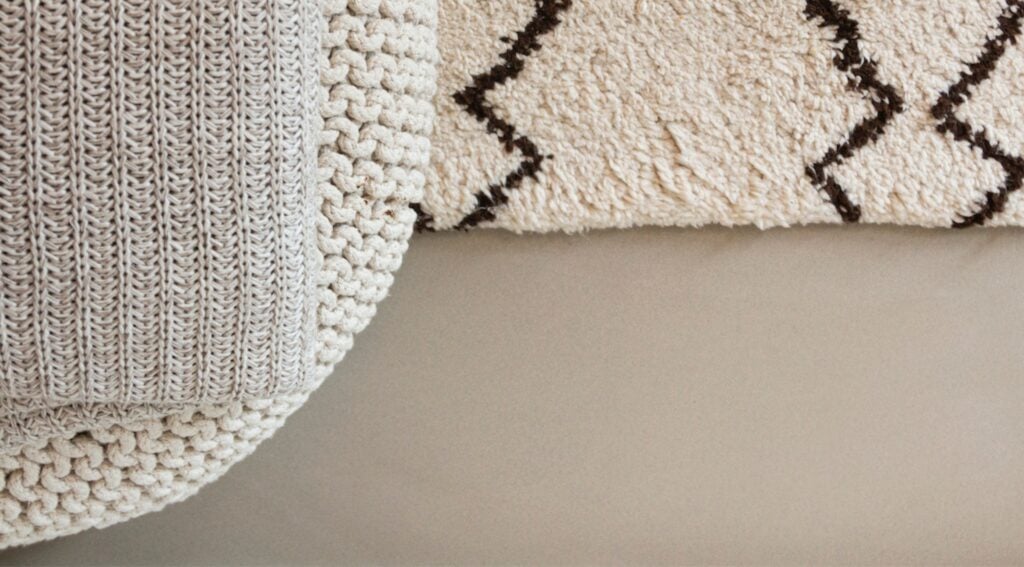
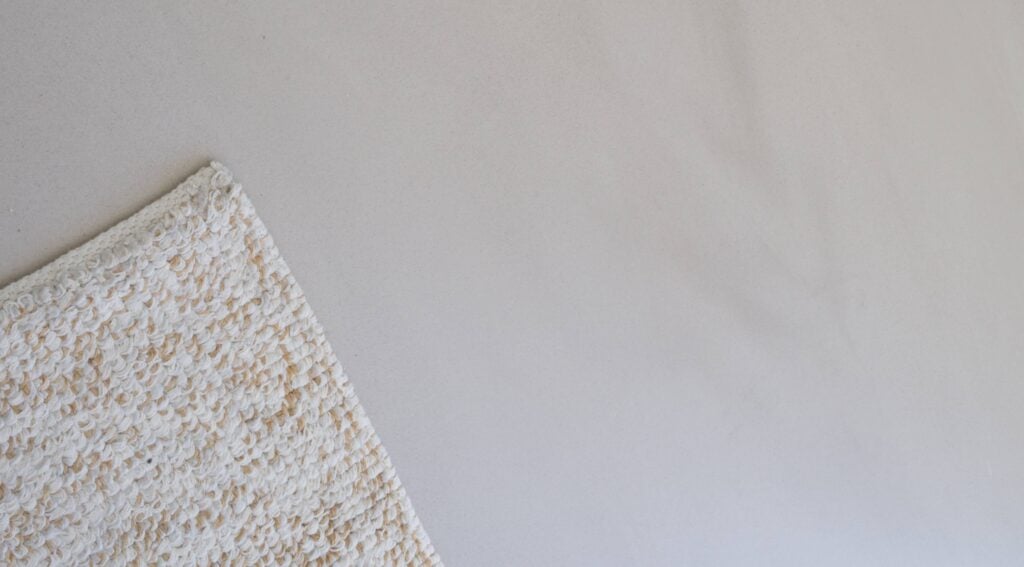
Dark wood gives the cabinetry and furniture weight. Veined stone sharpens the larger surfaces. Brass and copper bring warmth. Wool and linen soften everything around them.
The materials are not trying to match.
They are simply chosen with the same eye.
FORMOSA IS MIXED, NOT PICKED
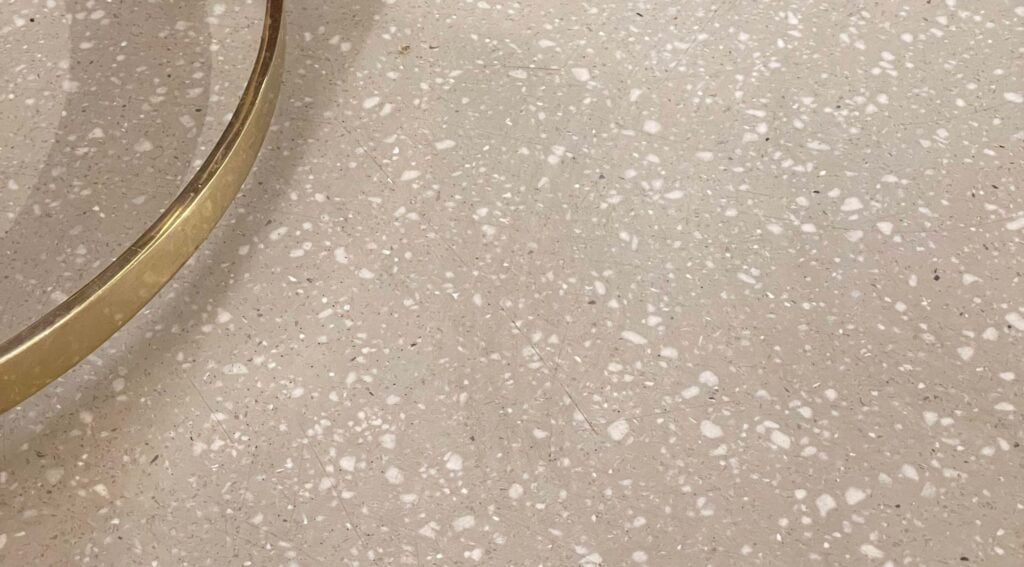
Light gray, Carrara marble and Mother of Pearl become one custom surface.
Titan Formosa was developed specifically for the entire ground floor.
Senso’s project archive describes a custom light-gray blend with Carrara marble; Mother of Pearl was added to bring a small reflective detail into the surface.
That is the more interesting way to think about color here.
The floor was not chosen from a rack of finished looks.
Base tone, stone and aggregate became another material composition inside the room.
NO ROOM GETS ITS OWN BORDER
Titan runs through the entire ground floor.
The material palette above the floor does plenty of organizing already.
Dark cabinetry marks one area. Stone introduces another weight. Furniture changes the scale again.
There is no need for the floor to redraw those distinctions underneath them.
Titan Formosa carries across the entire ground level as one poured surface, allowing furniture, material and use to decide where one part of the home ends and the next begins.
The plan gets to stay open without becoming visually vague.
THE PATTERN NEVER REPEATS
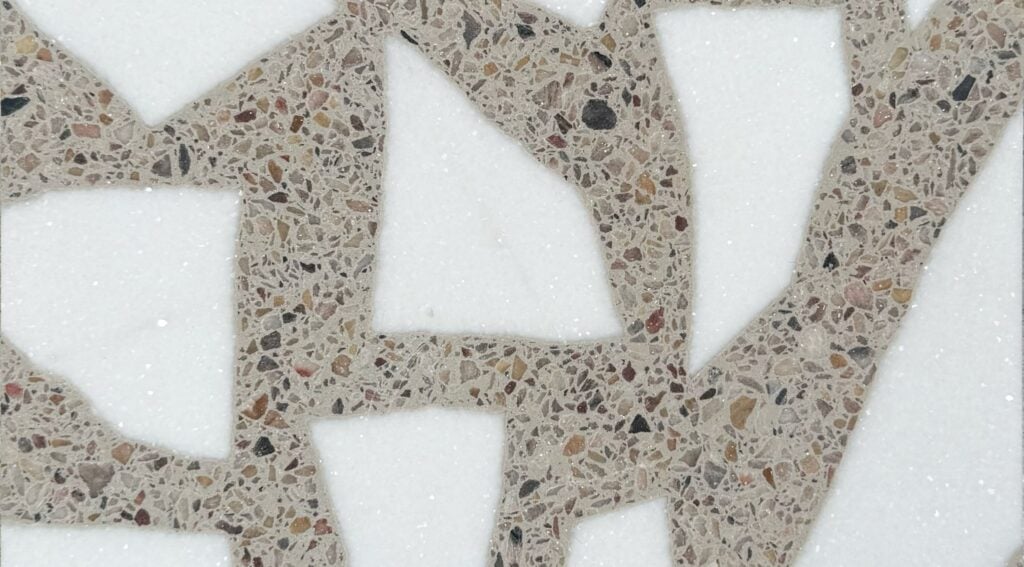
Titan is shaped by hand, not by a printed repeat.
Traditional terrazzo tends toward an even, predictable field.
Titan is different.
Marble and stone are dispersed by hand into Senso’s plant-based binder, so the aggregate settles organically across the surface. No two areas resolve in exactly the same way.
That is what gives Formosa its movement.
The materials may be familiar. The distribution never is.
SENSO IN THE WORLD
The strongest brands already have a language.
This house is a useful example because its owner comes from fashion, where material choices are never just decoration.
They become identity.
The same principle matters at architectural scale.
Senso gives designers control over color, aggregate, texture, movement and finish, but none of those decisions arrive as a finished interior style. Titan can become restrained and mineral here, then behave completely differently when another designer or brand gives it another instruction.
That is what makes the material useful to companies and designers with strong visual codes of their own.
A material should extend an identity, not overwrite it.