




Mountainside Villa | Marbella
Between snow and sea.

MARBELLA, ALL YEAR
The Mediterranean is below. The Sierra Nevada is close enough for winter.
Marbella has two very different ideas of escape built into the same landscape.
The coast is made for long summers, open doors and hard Mediterranean light. A few hours away, the Sierra Nevada spends part of the year under snow.
Studio Piet Boon designed the 4,887 square feet villa to live comfortably between those worlds, across four levels that move from bright living spaces to bedrooms, a bar, TV room, pool terrace and rooftop.
It is a house for Marbella without behaving like a summer house.
THE CORNERS START TO BEND
Piet Boon found the most useful part of local architecture in its geometry.
The villa was built largely from straight lines.
Marbella traditionally is not.
Thick plastered walls round off. Openings soften. Forms slope rather than ending abruptly.
Piet Boon brought that language inside, then kept passing it around. The curves appear in walls and stairs, then shrink down into built-ins and furniture details.
A regional reference becomes something you can recognize without ever turning into decoration.
BEIGE, BUT NEVER FLAT
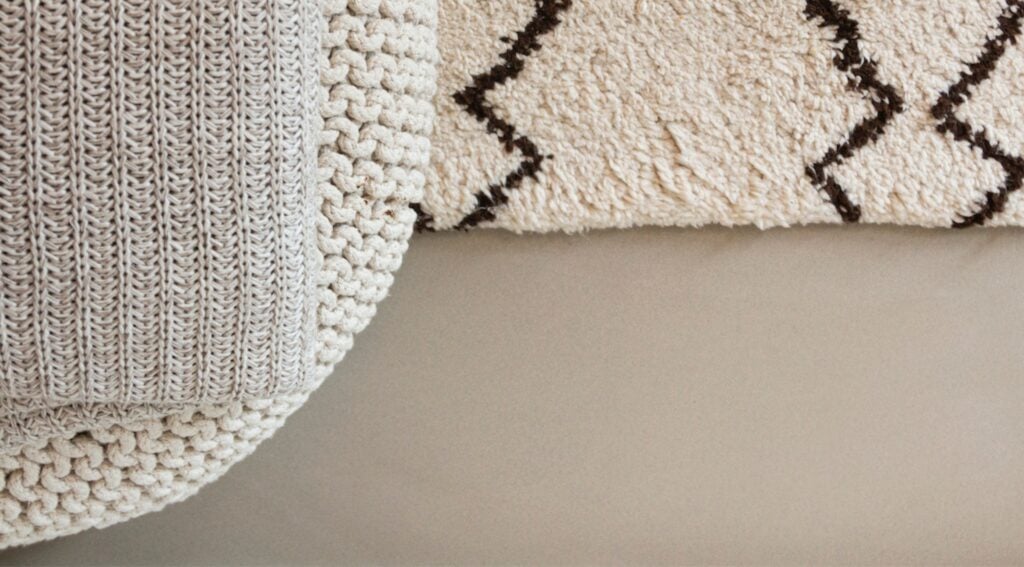
Texture does what louder color would have done.
That restraint puts more pressure on the surfaces themselves.
Wood has grain. Plaster catches light differently throughout the day. Stone brings its own variation.
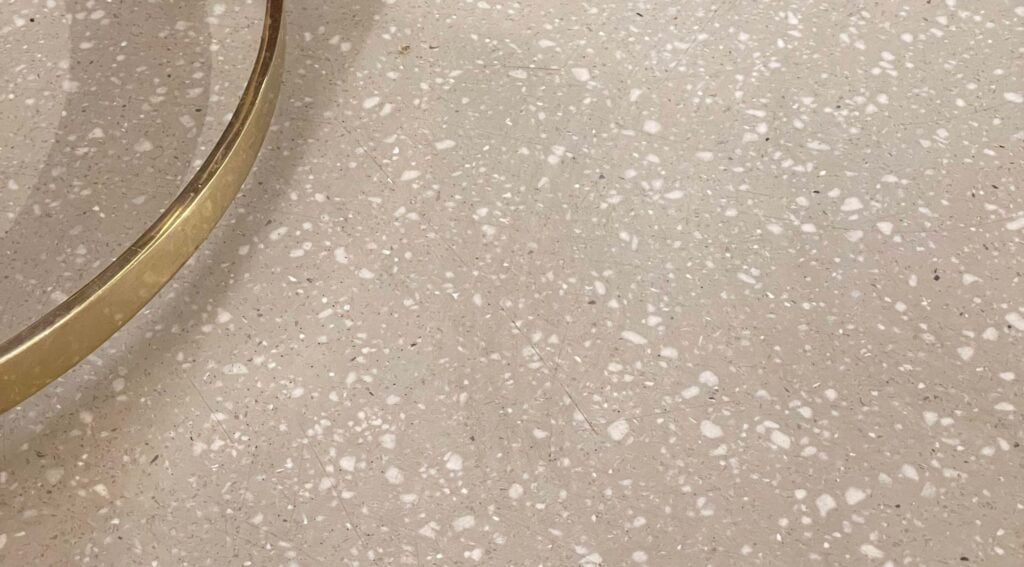
Superquartz Dune Carrara adds another mineral layer rather than introducing a new color story.
Look at the room from across the space and it feels calm.
Move closer and there is plenty going on.
MARBELLA AFTER DARK
The bar and TV room take the same house somewhere richer.
Sunlight does a lot of the work upstairs.
Downstairs, it hands the job over.
The bar and TV room bring in darker timber, deeper shadow and artificial light. The atmosphere gets heavier without suddenly belonging to another interior. The same pale floor that feels sun-washed during the day now sits against a much darker register. The villa includes both spaces within the same four-level program.
That is a useful test of a material palette.
It should still make sense after sunset.
DUNE CARRARA, NOT CUT TO SIZE
Natural stone character without designing the room around pieces of stone.
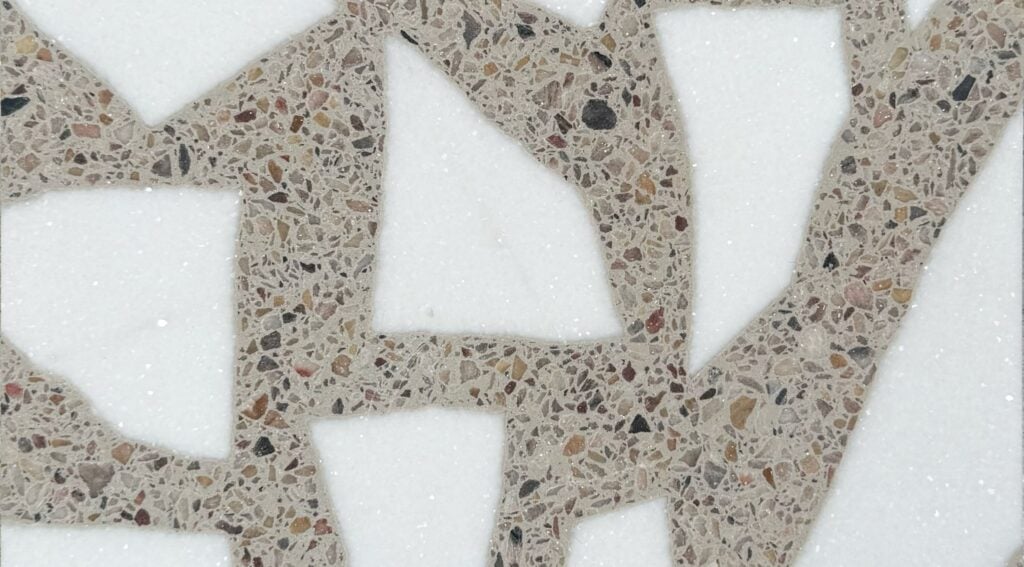
Superquartz starts with marble, limestone and sandstone aggregate, combined with Senso’s plant-based binder and worked by hand into the finished surface. Dune Carrara brings that mineral character into this villa without imposing the dimensions of a tile or slab.
That distinction matters here.
Piet Boon has already decided where the walls turn, where a stair curves and how the furniture sits inside the architecture.
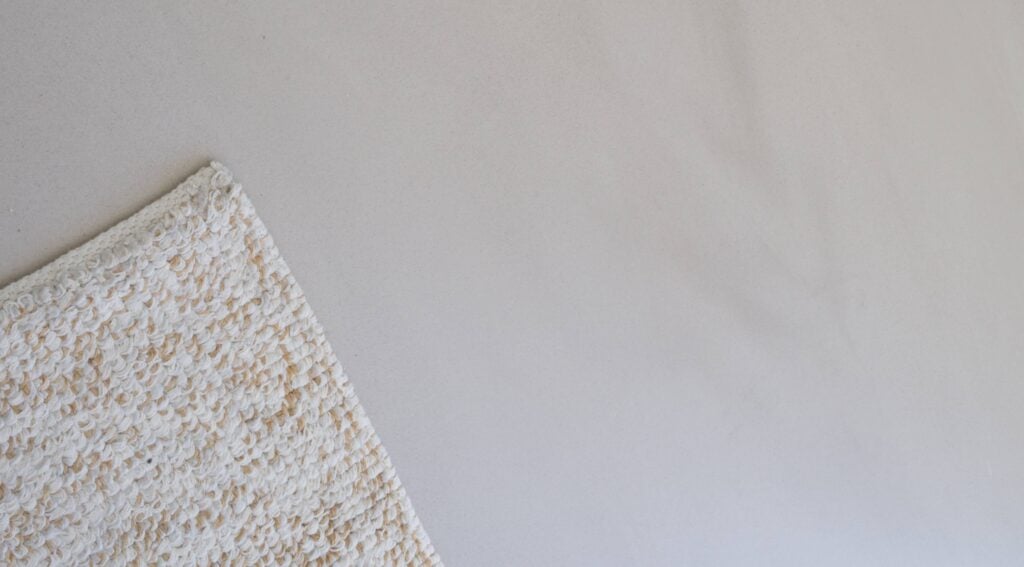
The floor does not add another measurement system underneath it.
No repeating tile size.
No grout line arriving halfway through a curve.
Just stone reworked into a material that can follow the geometry already there.
SENSO IN THE WORLD
Good materials take direction.
The designer should be more recognizable than the floor.
Senso has a material identity, but not an interior style.
Natural aggregate, hand-worked variation, color and texture give architects something tangible to design with. What they do not provide is a finished aesthetic.
That distinction is why the same material can move between a private residence, a fashion flagship, a workplace or a hotel without making those spaces look related.
The strongest projects still belong unmistakably to the people who designed them.
Senso gives them somewhere to begin. What happens next is theirs.